
The Risk Management Plan
The United States experiences an average of five chemical disasters each week. It is essential for community members, first responders, and government officials to access information on worst-case scenarios for local facilities.
The US EPA maintains a list of facilities that store highly hazardous substances in significant quantities and requires them to report worst-case scenarios, preparedness plans, and potential impacts on surrounding communities. These are documented in the Risk Management Program. The US EPA is currently proposing several rollbacks that would diminish safety requirements, public access to information, and worker protections required by the Risk Managment Program.
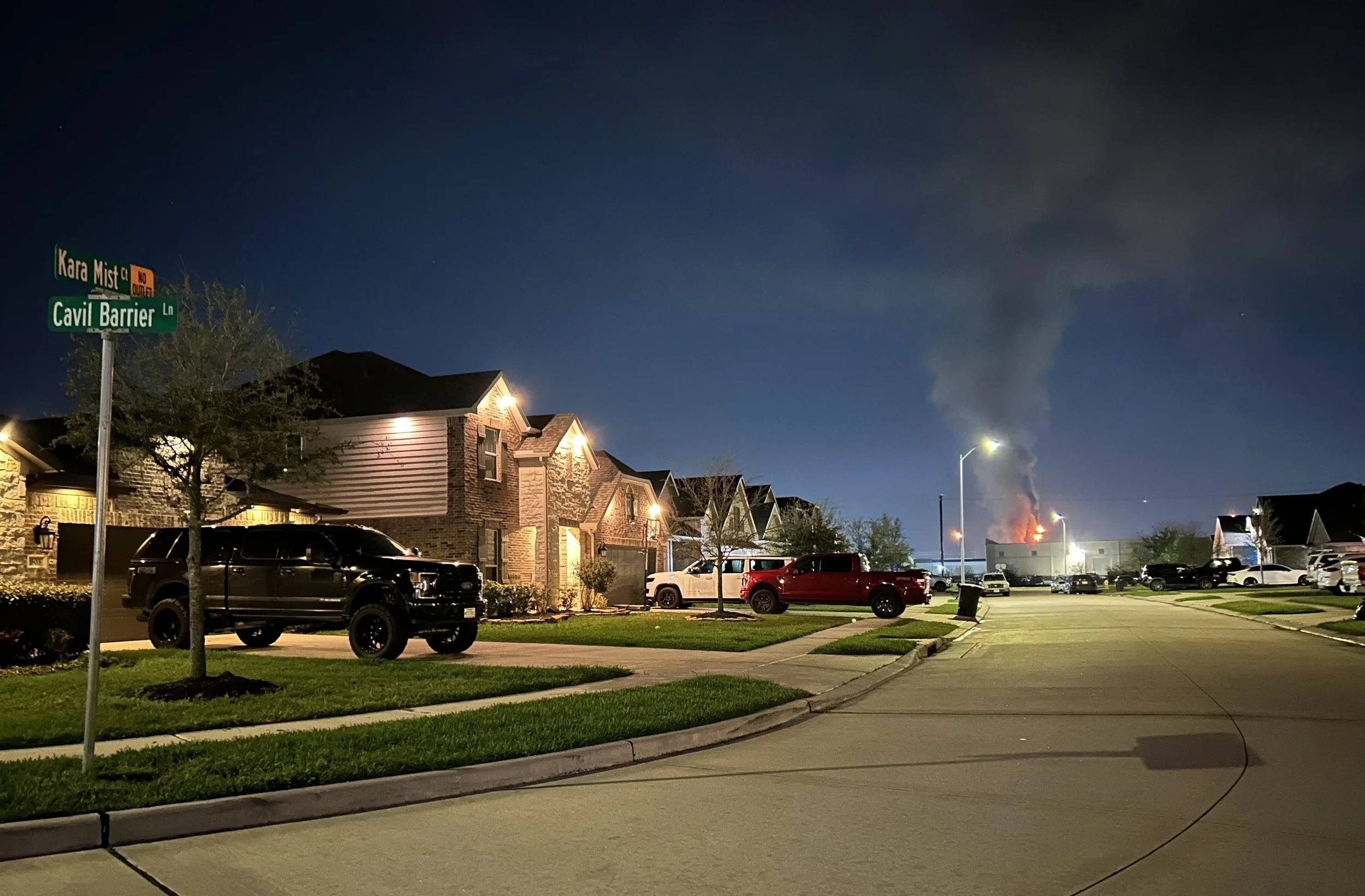
March 12, 2026 - Fire at LyondelBasell facility in La Porte, Texas Photo by Yvette Arellano
Overview: The Risk Management Program
The Risk Management Program (RMP) regulates the most dangerous industrial facilities in the United States, handling the most toxic substances and dangerous processes. These are updated every 5 years. The Risk Management Program is authorized under the Clean Air Act.
RMP information includes:
Impact zone of the worst-case disaster
Number of people affected
Affected public areas (parks, schools, residences, senior centers)
Emergency plans
Mitigation and prevention plans
RMP provides vital information to first responders, such as local fire and emergency response personnel, to prepare for, and respond to, chemical emergencies in our communities.
The RMP is the only rule that regulates, protects, and informs the public about potential toxic chemical releases into surrounding communities.
Quick Facts: Chemical Disasters
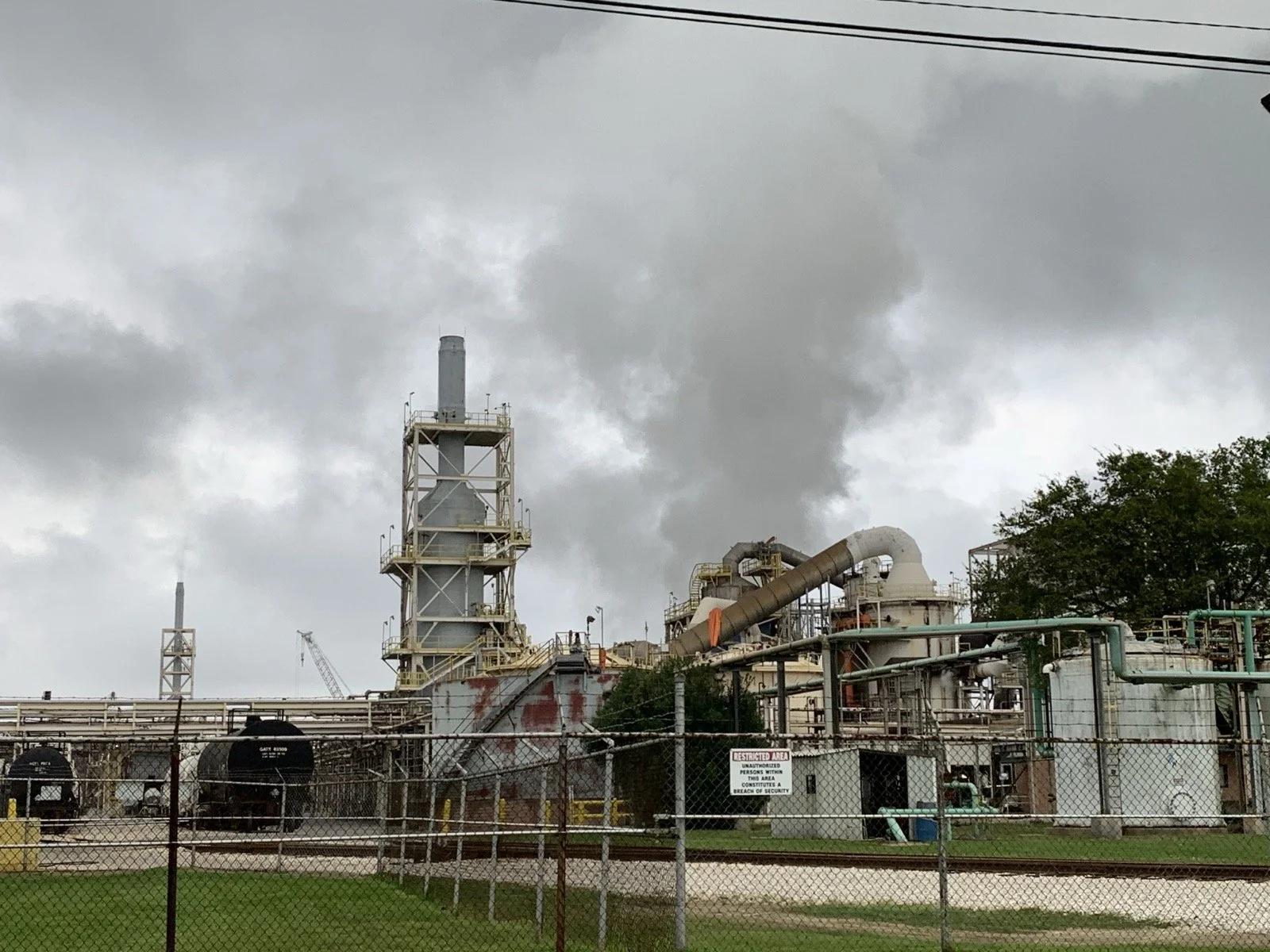
Eco Services, A sulfuric acid manufacturing plant in Houston, Texas Photo by Yvette Arellano
131,000,000 people in the U.S. live within three miles of a facility that processes or stores highly toxic chemicals.
There are approximately 11,500 RMP-regulated facilities in all 50 states, Puerto Rico, and the US Virgin Islands 2
123 chemical Incidents have already been reported in 2026
THE PROBLEM: Proposed Rollback of the RMP
The Trump EPA has proposed the “Common Sense Approach to Chemical Accident Prevention” rule, a sweeping rollback of RMP protection that would endanger millions of Americans.
EPA’s proposed rule would 5:
Remove requirements for a community and emergency responder notification system during a chemical disaster
Remove requirements for facilities to have backup power in the event of power loss
Limit State agency authority to require independent audits of dangerous facilities
Strip worker protections, including violation reporting and whistleblower provisions
Remove public access to emergency preparedness information
What Fenceline Watch is Doing
Fenceline Watch is actively opposing these RMP rollbacks. With more than 251 RMP facilities in our area, our communities are at particular risk of major chemical disasters.
Since late 2025, we have:
Documented the risk management plans for more than 40 Houston-area facilities.
Presented our research and findings to community members, fellow organizers, and partners.
Spearheaded a letter to Congress that included more than 80 sign-ons by tribal nations, organizations, and community leaders, demanding full funding of the Chemical Safety Board.
Submitted an official comment to the U.S. Environmental Protection Agency advocating against these rollbacks.
And the work is ongoing; if you’d like to learn how to access an RMP reading room, contact us.
What You Can Do
RMP information is critical for communities living along the industry fenceline. We have the right to know what chemicals are being used in our community and how they can affect us. As of now, U.S. residents can request and access these documents via the U.S. EPA or the Department of Justice.
Despite the barriers to accessing this information, it is not overly complicated. If you’d like to learn more about how to access the reading rooms to see RMP documents, contact us or stay tuned to our events page for webinars.