
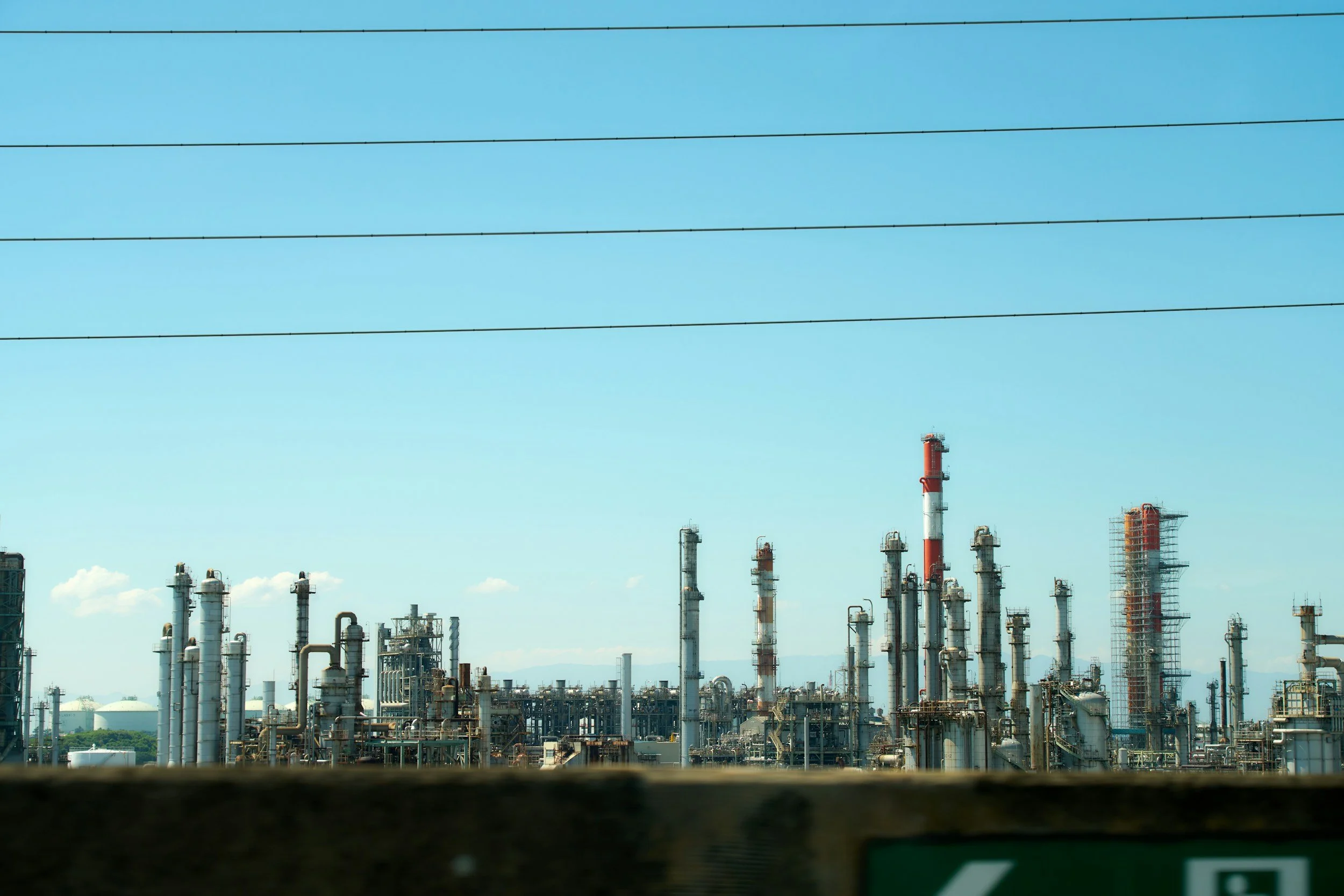
Petrochemicals
Overview
Petrochemicals are derived from fossil fuels and natural gas through refining and chemical processes. They are then used to produce products including plastics, tires, and medicines. The production process, which occurs in petrochemical facilities and refineries in and bordering neighborhoods, releases toxins into the air, water, and soil.
The Greater Houston area has 694 chemical manufacturing facilities, and every day, people in our communities face the effects of toxic emissions, odors, and symptoms of toxic exposure while also suffering from long-term reproductive and respiratory harm, among other negative health impacts, at a higher rate than communities with no nearby petrochemical facility.
We advocate for the phase-out of toxic chemical use and for the petrochemical industry to publicly disclose the chemicals it uses and their associated health effects.
We urge regulatory agencies & decision makers to enforce stricter emissions regulations and permitting guidelines, and ultimately to create a legally binding agreement that protects human rights, biodiversity, and the environment for current and future generations.
Shell Chemical excessive flare during a school release
Credit: Yvette Arellano
Aerial view of the Houston Ship Channel
Credit: Yvette Arellano
The Petrochemical Industry in Houston
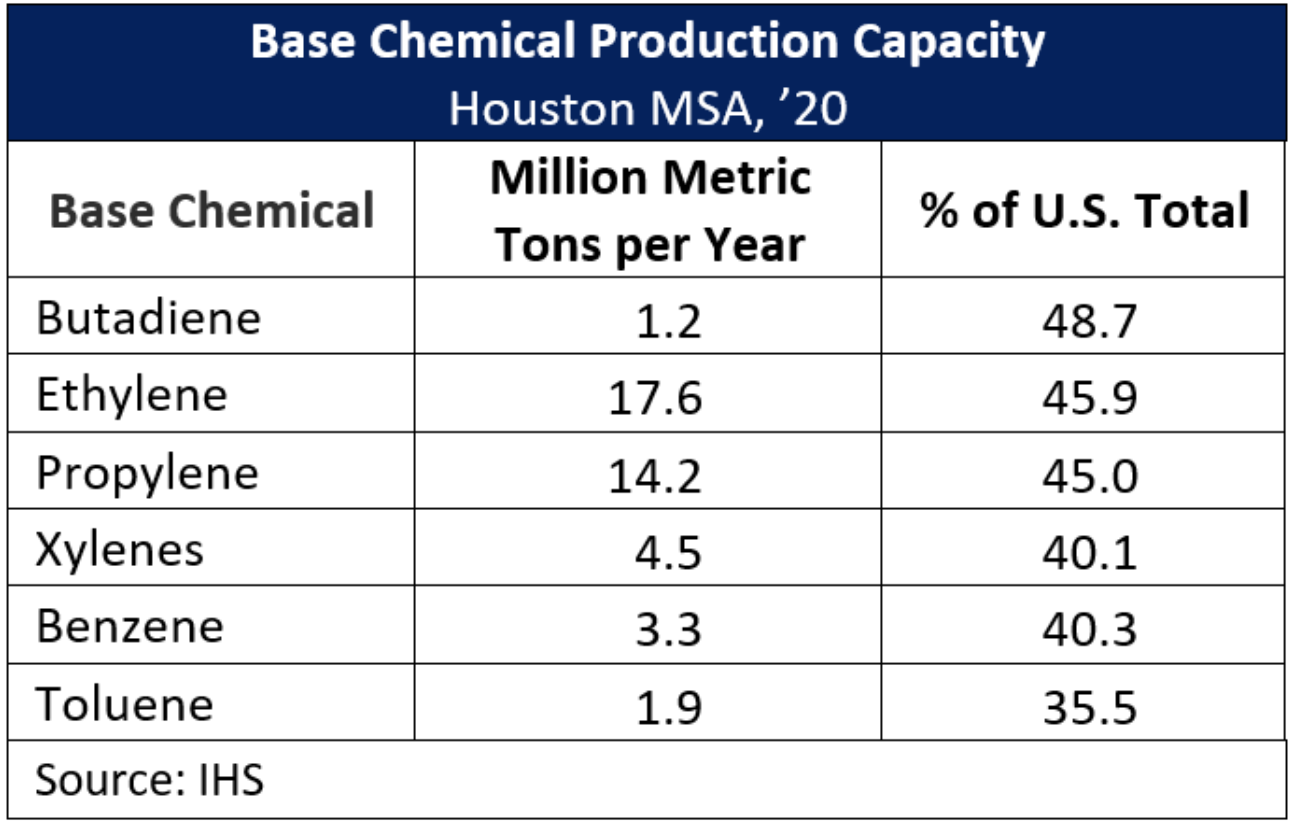
694
Chemical manufacturing facilities are in Houston
41
Percent of petrochemicals in the U.S. comes from Houston
Plastics
99% of plastic is derived from fossil fuels, and after extraction in oil fields like the Permian Basin in West Texas, oil, gas, and other fossil fuels are transported to refining and petrochemical production sites to create feedstocks, polymers, olefins, and pellets for plastics. Oil major states, such as Texas, have no laws to prohibit these facilities from being co-located next to homes, communities, schools, and parks.
The explosion of natural gas production has led to the ever-increasing demand for natural gas liquid, which is rich in the chemicals that serve as the building blocks of plastic production.
Naphtha, a product of oil refining, is another key to plastic production. Only five companies account for over half of global naphtha sales: BP, Chevron, ExxonMobil, Shell, and China National Petroleum Corporation. Four of five have refining capacity along our coast within an hour of our front door.
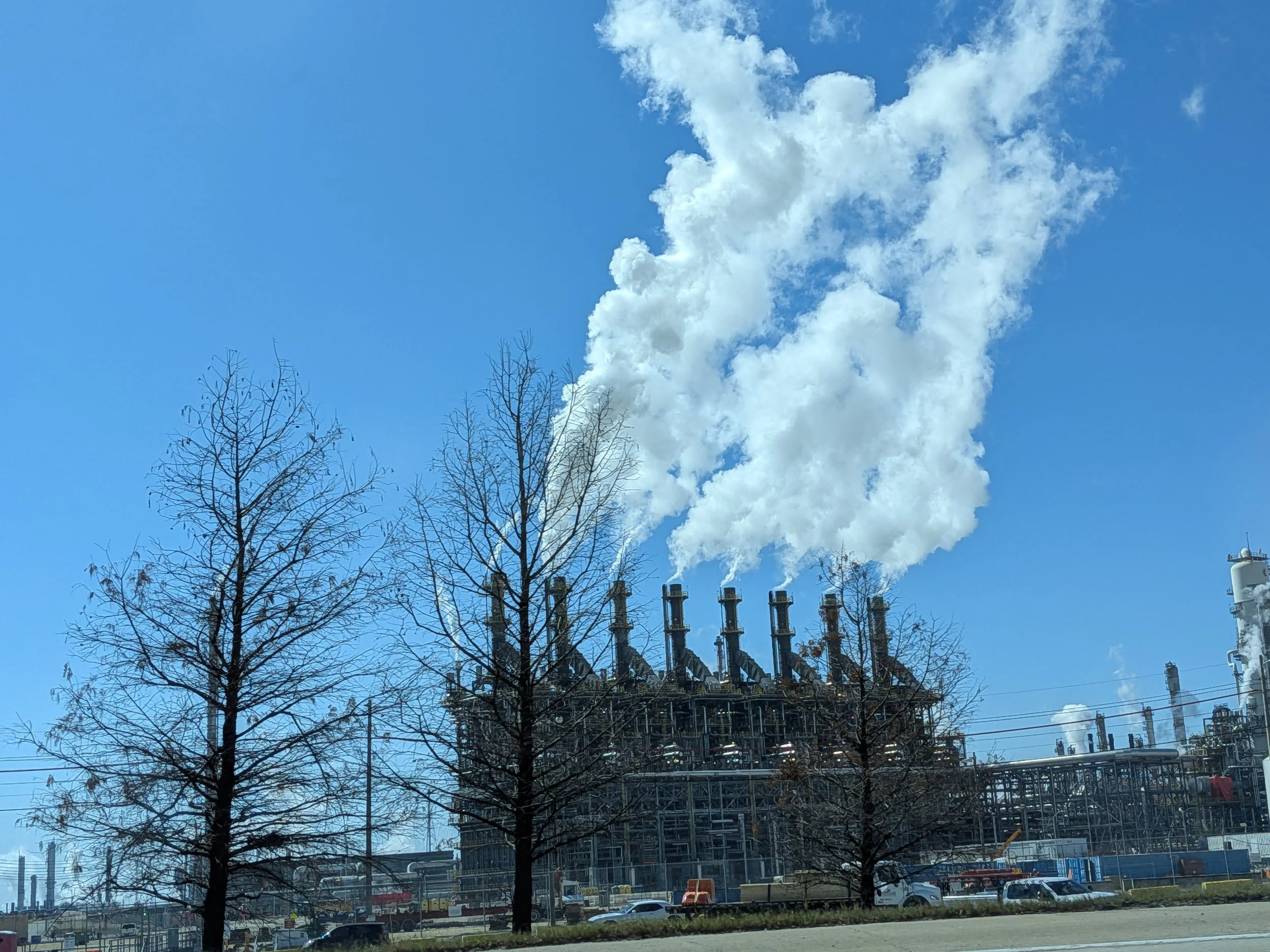
The EXXONMobil Olefins plant in Baytown, TX
Credit: Brandon Alexander Villarreal
The production of plastic releases toxics like 1,3, butadiene, benzene, ethane, styrene, toluene. They can cause several health effects like: headaches, fatigue, weakness, memory loss, nausea, nose bleeds, and unconsciousness. In the long term, asthma, anemia, central nervous system damage, childhood leukemia and other cancers, kidney and liver damage, sterility, and even death.[1] The effect is even more severe on children, seniors, and the already sick. [1] https://www.ciel.org/wp-content/uploads/2019/02/Plastic-and-Health-The-Hidden-Costs-of-a-Plastic-Planet-February-2019.pdf.
These harmful exposures lead to developmental, neurological, and reproductive issues, along with known carcinogens and forever chemicals. Chemicals like benzene are not necessarily mutagenic by themselves, but become so after they pass through the liver.
A study by EIP uncovered that “two-thirds of the 90 plastics-related facilities in the Houston region violated air pollution control laws over the last five years and were subject to enforcement actions. But many more exceeded their permits and were not penalized, state records show.” Severely impacted families face physical and mental suffering and economic losses for multiple generations. Economic losses that have yet to be elevated from a lack of cumulative impact analysis
As partners of the #BreakFreeFromPlastic Movement, we dedicate ourselves to uplifting the disproportionate harm plastic presents to environmental justice communities at the fenceline of plastics production chemical facilities.

“[Plastic production] affects children’s lives. It increases cancer rates, and it hurts people,” Arellano says. “Why would we want to participate in something that is actively oppressing and hurting people’s health?”
United Nations Global Plastics Treaty
Via - United Nations Environment Program
Nairobi, 02 March 2022 – Heads of State, Ministers of environment, and other representatives from the UN Member States endorsed a historic resolution at the UN Environment Assembly (UNEA-5) today in Nairobi to End Plastic Pollution and forge an international legally binding agreement by 2024. The resolution addresses the full lifecycle of plastic, including its production, design, and disposal. “Against the backdrop of geopolitical turmoil, the UN Environment Assembly shows multilateral cooperation at its best,” said the President of UNEA-5 and Norway’s Minister for Climate and the Environment, Espen Barth Eide. “Plastic pollution has grown into an epidemic. With today’s resolution we are officially on track for a cure.”
The resolution, based on three initial draft resolutions from various nations, establishes an Intergovernmental Negotiating Committee (INC), which will begin its work in 2022, with the ambition of completing a draft global legally binding agreement by the end of 2024. It is expected to present a legally binding instrument, which would reflect diverse alternatives to address the full lifecycle of plastics, the design of reusable and recyclable products and materials, and the need for enhanced international collaboration to facilitate access to technology, capacity building and scientific and technical cooperation. (Read more here: https://www.unep.org/news-and-stories/press-release/historic-day-campaign-beat-plastic-pollution-nations-commit-develop )
HISTORY
“A holistic approach to tackling the existential crisis of plastic is essential. Our communities at the fenceline of plastic production stand in solidarity with those affected from extraction to waste. Our fight for survival is a fight for our future. It is our duty; we refuse to fail.”
- Yvette Arellano, Founder and Director of Fenceline Watch, CIEL Trustee,
Civil society and rights-holders from around the world are engaging in these negotiations to demand a treaty that protects human rights, health, and our environment. Tactics designed to wear us down will not succeed. We know that our human rights, our lives, our communities, and our planet are worth fighting for. We will continue to show up, speak out, and demand strong control measures across the entire life cycle of plastics — starting with reducing the plastics production that drives this crisis. We’re in this for the long haul: we will not back down or go away quietly.”
- Rachel Radvany, Center for International Environmental Law (CIEL)
WHY IS FENCELINE WATCH INVOLVED?
FENCELINE WATCH UN GLOBAL PLASTICS TREATY OFFICIAL STATEMENTS
Domestic Efforts
Break Free From Plastic Pollution Act
Placing a temporary pause on new and expanding plastic facilities until the Environmental Protection Agency updates and creates vital environmental and health regulations to protect frontline and fenceline communities;
Shifting the financial burden of waste management and recycling off municipalities and taxpayers to where it belongs: the producers of this waste;
Spurring massive investments in domestic recycling and composting infrastructure;
Phasing out certain single-use plastic products that aren’t recyclable;
Establishing minimum recycled content standards;
Launching a national beverage container refund program to bolster recycling rates;
Prohibiting plastic waste from being exported to developing countries;
And more proven policy solutions!
Resources
More than 1,800 groups have endorsed the #BreakFreeFromPlastic Pollution Act as the most important set of policy solutions needed to tackle the plastic pollution crisis. Breathe This Air is a video featuring #BreakFreeFromPlastic movement partners sharing the real cost of plastic.
Featured partners: RISE ST. JAMES, Energy Justice Network, and ECOTON
VIDEO: Breathe This Air
PODCAST: What are the Consequences of Breathing Dirty Air?
Journalist Beth Gardiner and Fenceline Watch Founder & Director Yvette Arellano explain the long-term health effects of air pollution.